


Insights
Maintaining Coordination and Resilience Across Airport Operations
24 June 2026Airport operations bring together a wide range of activities that must remain aligned throughout the day.
Passenger processing, aircraft movements, maintenance, security and ground services all operate in parallel across large and complex environments, often involving airlines, contractors and emergency services working alongside airport teams.
In this context, communication systems are expected to do more than provide basic connectivity. They must support coordination across dispersed teams, maintain reliability during peak periods and disruptions, and scale as airport environments continue to evolve. Digital two‑way radio remains central to meeting these requirements, particularly where mobility, coverage and resilience are critical.
Increasingly, airport operators are looking at how radio communications can provide greater operational insight without adding complexity or disrupting established practices.
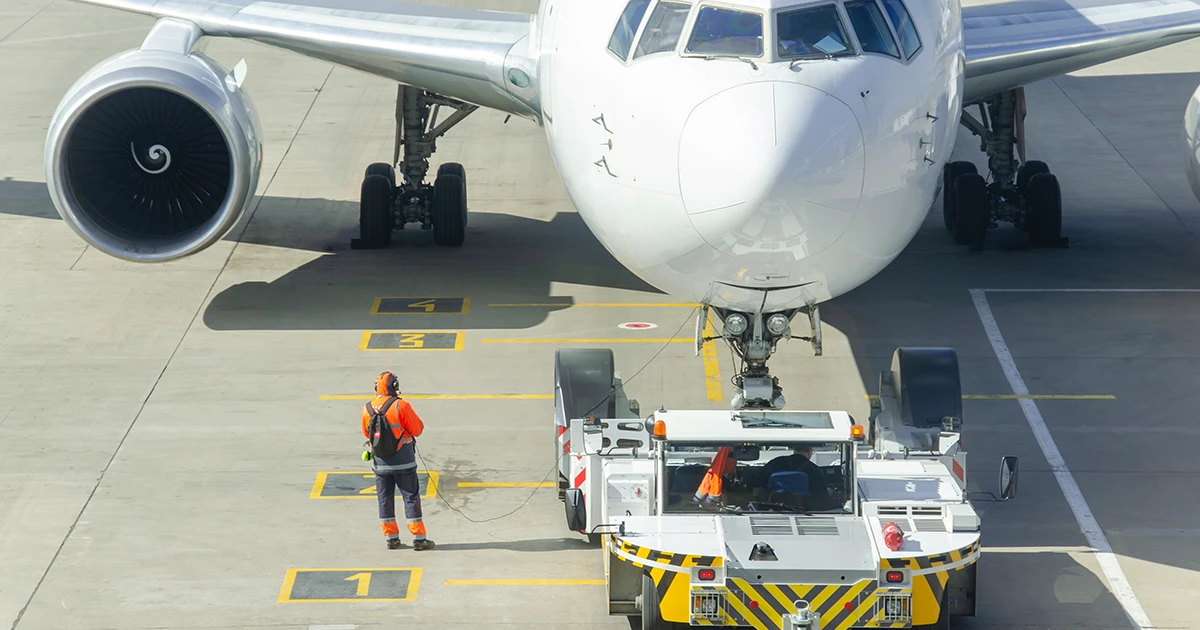
Coordinating activity across large airport environments
Aircraft turnarounds, passenger flows, surface transport and facilities activity all place demands on radio traffic coordination, particularly when teams are spread across terminals and airside areas.
Where communications rely solely on voice exchanges, maintaining an accurate picture of activity can become challenging. Integrated radio environments help address this by allowing communication to be understood alongside context, such as location and task status. This shared visibility reduces reliance on repeated check‑in calls, easing pressure on radio channels during busy periods while supporting more deliberate coordination across the site.
DMR radio as the operational foundation
Digital Mobile Radio (DMR) solutions provide the foundation for airport communications, supporting clear voice services across both indoor and outdoor environments. Their ability to support structured talk groups and scalable coverage makes them well suited to complex aviation operations.
For airport operators, DMR radio enables:
- Reliable communication across terminals, aircraft areas and support zones
- Separation of operational groups while maintaining overall coordination
- Integration with data applications that support broader operational workflows
This foundation allows additional capabilities to be introduced without changing how frontline teams communicate.
Extending radio communications with operational visibility
TRBOnet builds on MOTOTRBO DMR radio systems by adding an operational layer that brings voice, data and location information together. Rather than acting as a standalone system, it integrates with the existing radio network and supports the way airport operations are already structured.
Operational teams responsible for coordination gain visibility into information that would otherwise require multiple radio interactions, including:
- Active communications across operational groups
- The location of vehicles and mobile teams across the airport site
- Alarm and duress events requiring attention
- Maintenance and service activity as it progresses
This approach supports a more consistent operational picture across teams, particularly in environments where activity spans multiple terminals and aircraft areas.
Supporting flexibility and integration across airport operations
Airport operating models are not static. Activity may be coordinated from multiple locations, and systems must integrate with existing processes rather than replace them.
TRBOnet supports flexible access for authorised users and can integrate with other airport systems such as telephony, email infrastructure and fire detection systems. This allows radio communications to contribute to a broader operational ecosystem while avoiding unnecessary duplication or complexity.
Managing pressure during peak periods and disruptions
During peak travel periods or service disruptions, consistency and clarity become increasingly important. Understanding where resources are deployed and how priorities are shifting supports more effective decision‑making.
When coordination is driven by shared information rather than fragmented radio exchanges, airport operations shift from reactive response toward more deliberate management of activity, even under pressure.
By linking radio activity with live location and status information, integrated solutions help airport teams adapt to changing conditions. Pre‑defined voice and text workflows further support alignment, enabling consistent communication across teams and agencies while reducing congestion on radio channels.
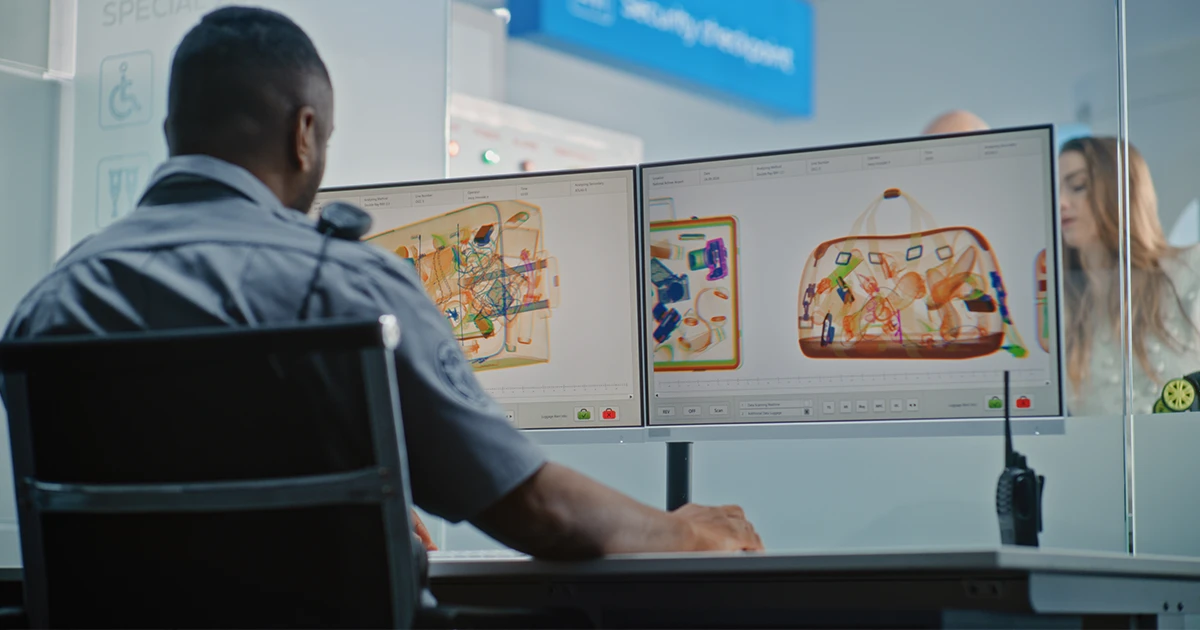
Building resilience into airport communications
Operational visibility and coordination rely on a communications platform designed for scale and availability. Airport environments require networks capable of supporting high volumes of users and continuous operation.
The Orion Network, Australia’s largest national two‑way radio network, provides a resilient digital foundation for airport communications. Designed for complex operational environments, it supports capacity, redundancy and future growth.
When combined with DMR radio solutions and platforms such as TRBOnet, the Orion Network enables reliable voice communications while supporting the operational insight required to manage modern airport environments.
Supporting safety through structured response
Safety is embedded within airport operations. Integrated radio platforms support structured handling of duress and emergency events by linking alerts with user and location information.
This structure reduces reliance on informal escalation during high‑pressure situations, supporting faster and more consistent response while maintaining clarity around roles and actions.
This allows response teams to be directed more accurately while maintaining visibility and records for operational review. The result is greater consistency in response without reliance on manual escalation.
A practical approach to resilient airport communications
For airport operators, the value of integrated radio communications lies in supporting coordination and resilience without introducing unnecessary complexity. Combining DMR radio, TRBOnet and a resilient network platform such as Orion allows communication systems to evolve alongside airport operations, supporting more consistent decision‑making as environments increase in scale and interdependence.
CSE Crosscom works with aviation operators to design and support communication environments aligned with the realities of airport operations and long‑term infrastructure planning.